

Talking to family about how much you play
Being open with the people close to you is one of the strongest protections there is. How to start the conversation, and how to respond if someone raises it with you.
23 March 2026
The journal
Straight answers about the draw, the odds and your money — from the people who built it. No tips, no systems, no lucky numbers.
Being open with the people close to you is one of the strongest protections there is. How to start the conversation, and how to respond if someone raises it with you.
The invite reward is there for people who bring in real friends. How to share your link in a way that works, and the few things that get accounts closed.
A self-custody wallet is backed by a list of twelve or twenty-four words. Whoever has those words has the wallet. How to store them, and the one rule that has no exceptions.
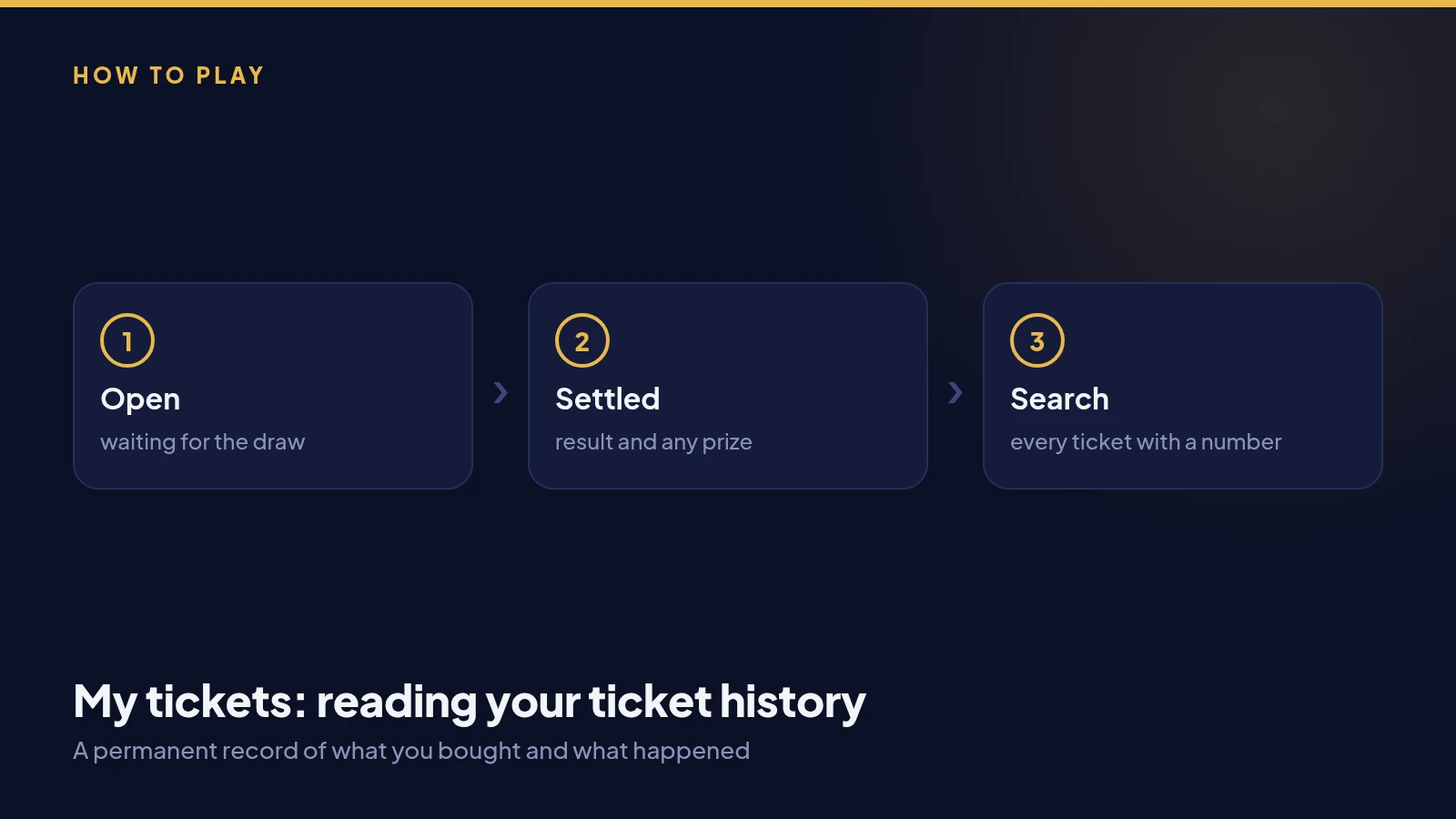
Every ticket you buy is kept in My tickets, with its numbers, its draw, what it cost and what happened. How to read it, and how to find a particular ticket fast.
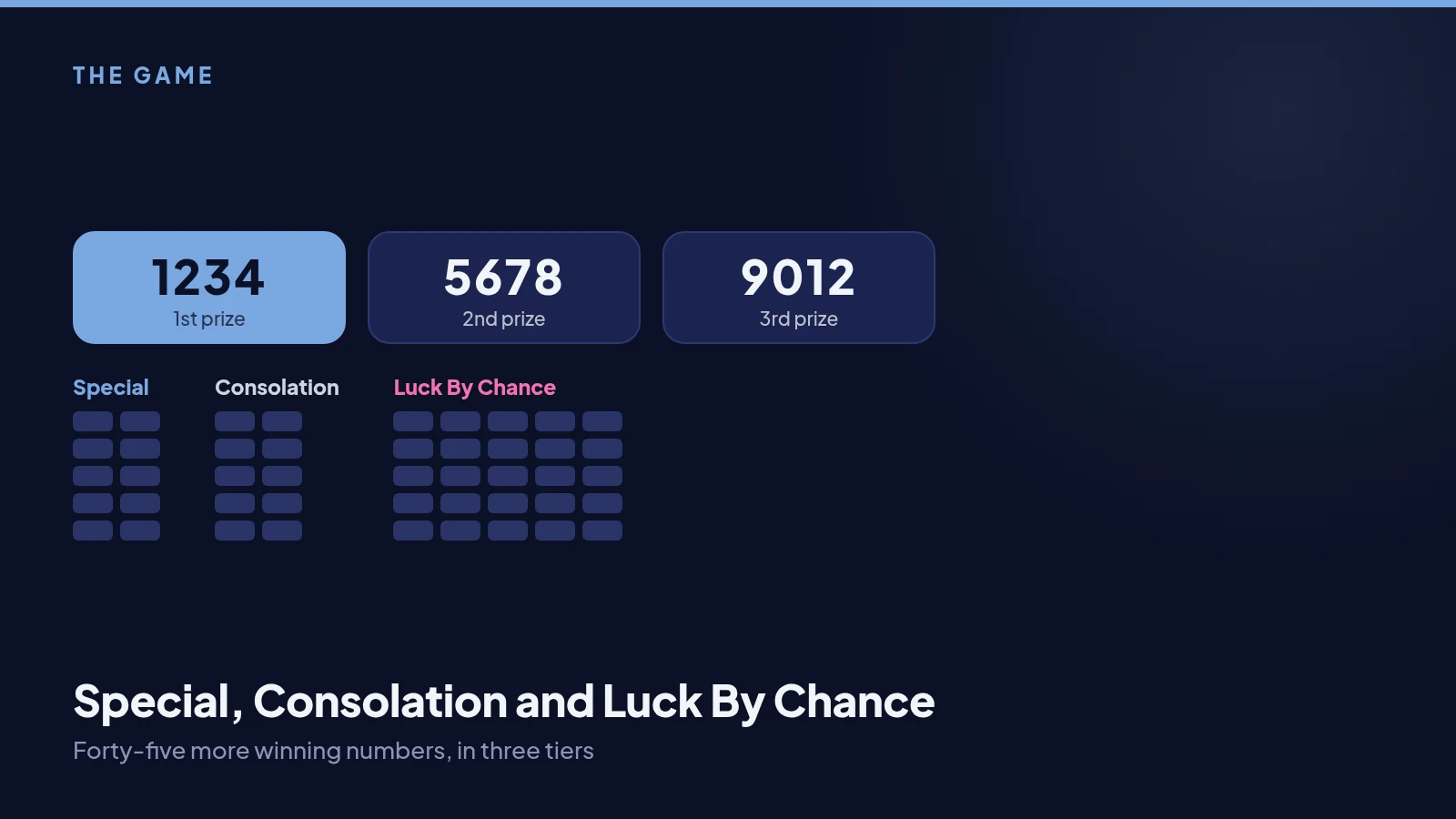
Below the three top prizes sit 45 more winning numbers in three tiers. What each tier is, what it pays, and where to find it on the results board.
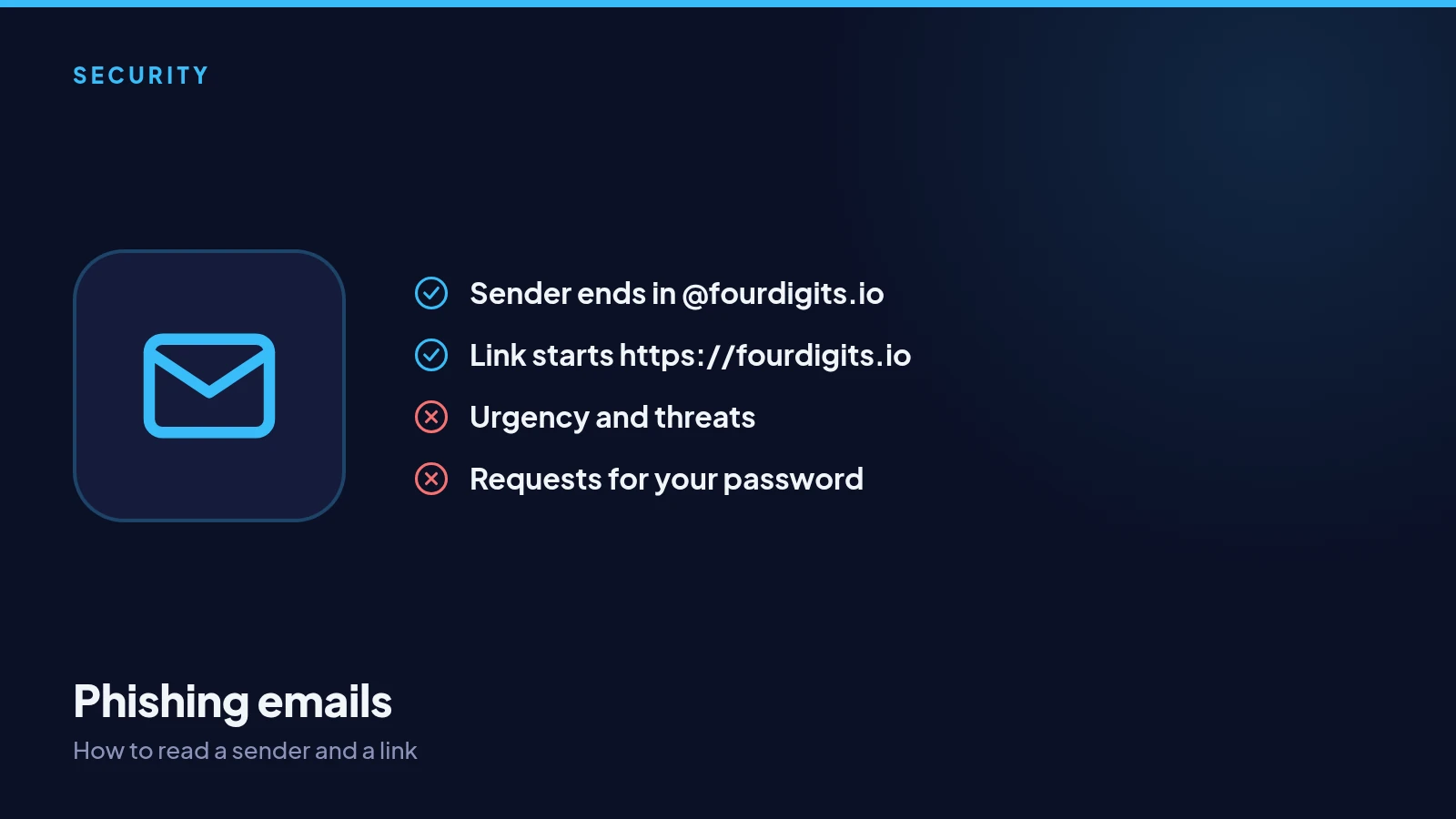
A convincing email with a logo and your name can still be fake. Two things give nearly all of them away: the real sender address and where the link actually goes.
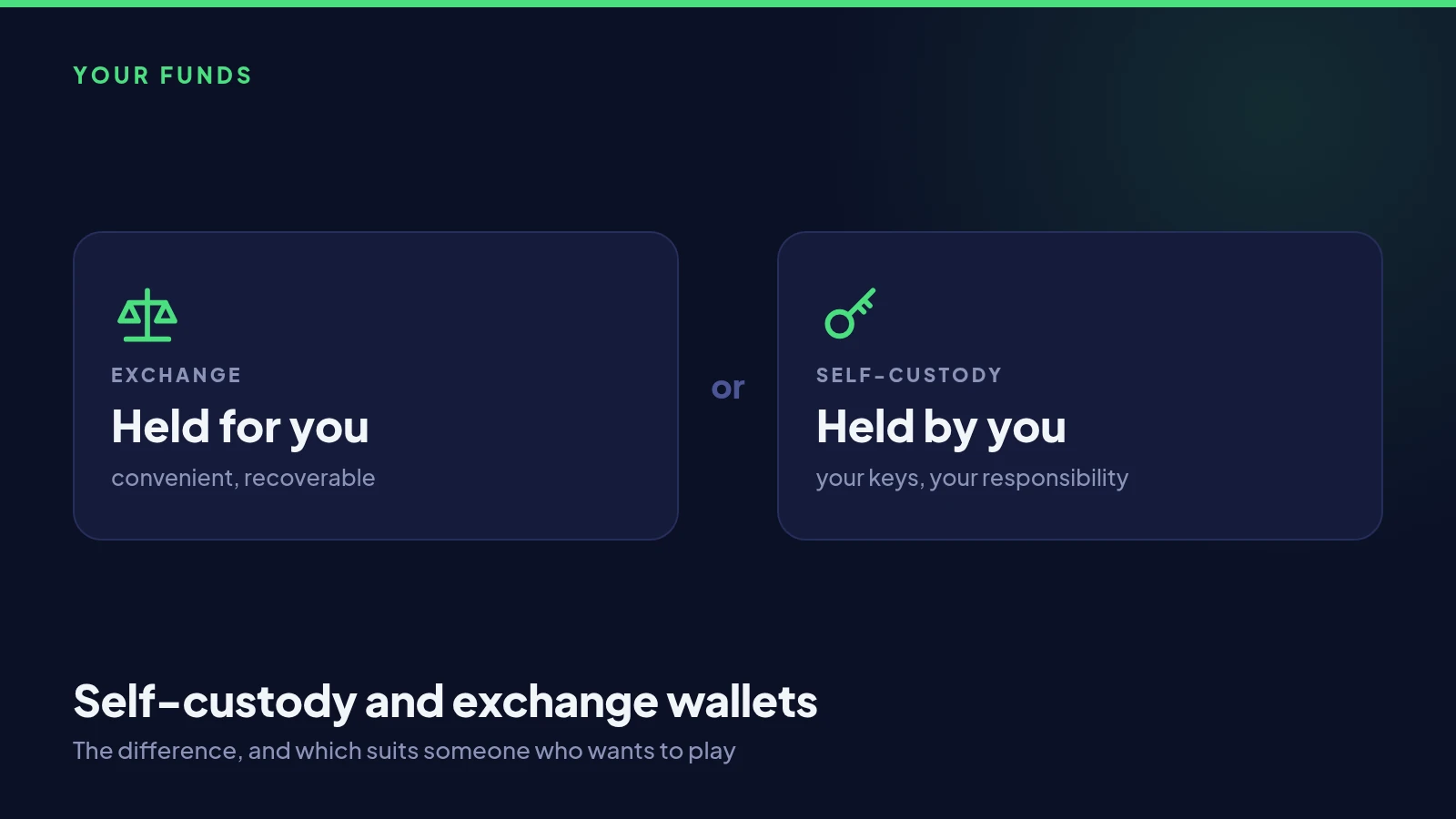
Your crypto can sit on an exchange or in a wallet you control yourself. What each means, the trade-offs, and which suits someone who simply wants to play.
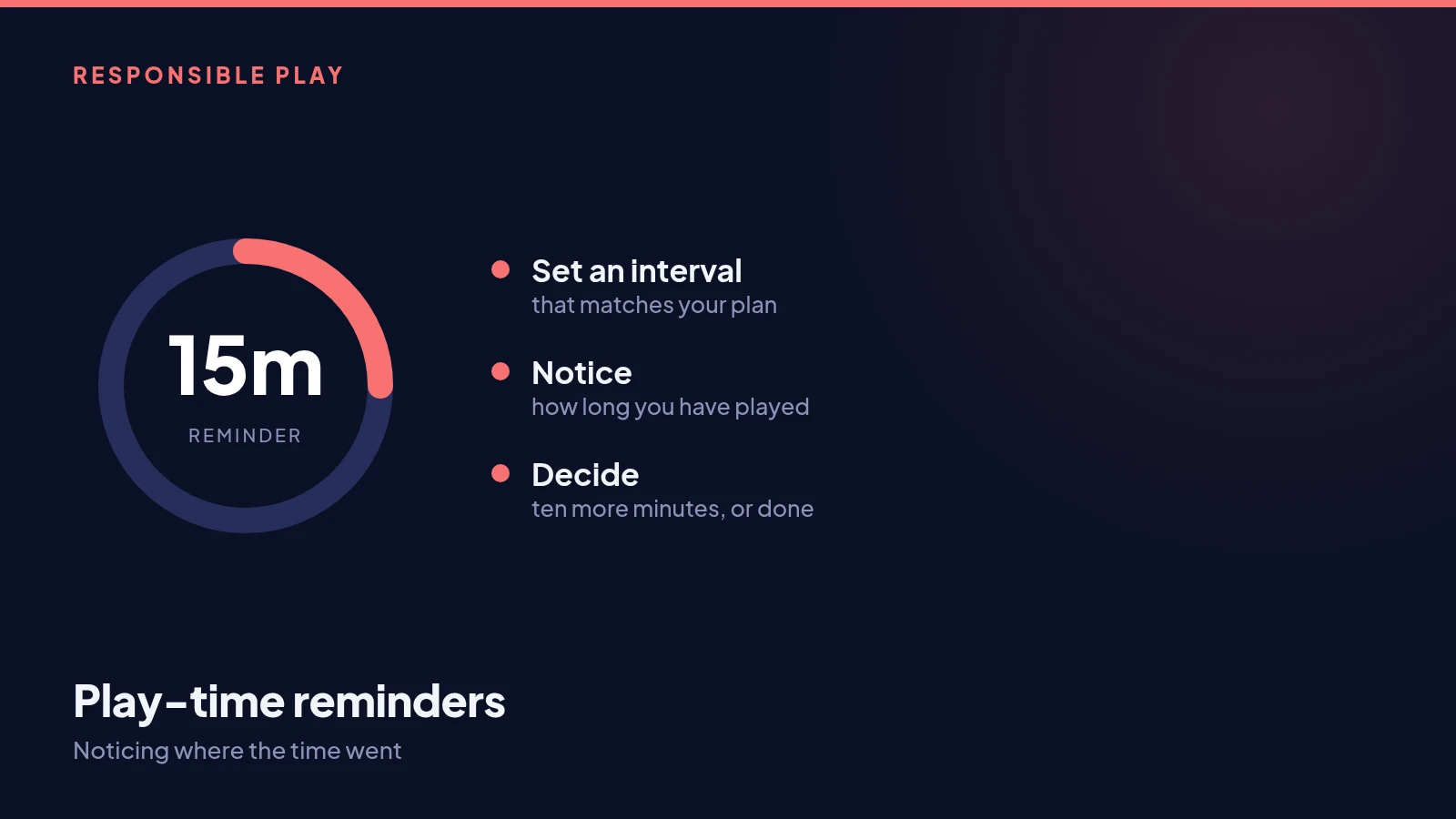
Time passes differently when you are watching numbers. A reminder of how long you have been playing is a small tool that does a surprising amount of good.
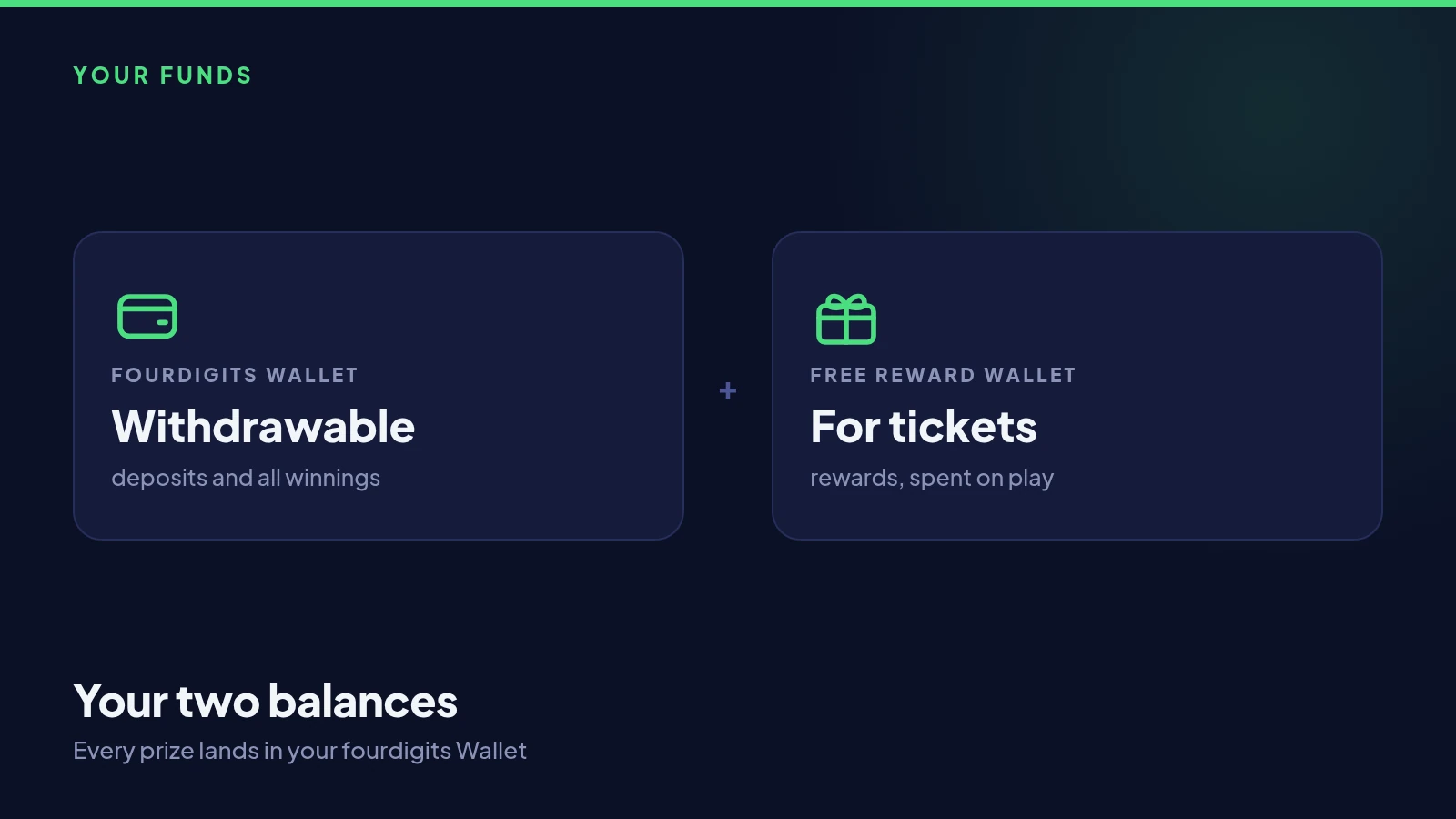
Your account shows two balances side by side. One is money you can withdraw; the other is reward credit for tickets. How each is filled, spent and kept.
Length beats cleverness, and never reusing a password beats both. The small number of habits that make a real difference, and the tool that makes them easy.
Before any ticket is confirmed, the quote panel shows exactly what you are about to buy. What each line means, and the three things worth checking every time.
Every deposit and withdrawal has a transaction hash: a long string that proves the transfer happened. What it is, where to find it, and how to check it yourself.